Knowing the pool pump installation scheme is key to getting the filtration system working properly from day one. A bad location or incorrect distance from the filter and the pool causes common problems such as loss of suction, air intake, overpriming, noise and increased wear of the motor.
As professionals in installation and maintenance of filtration systems, we are going to explain you how the correct installation scheme of pump and filter should be, what is the right distance and at what height the pool pump should be placed to ensure performance, durability and safety.
The correct order of the hydraulic system is always the same:
Pool (skimmer and/or bottom) → Pump → Filter → Filter → Pool returns.
This pool pump installation diagram should not be altered. The pump is never installed after the filter, since its function is to drive the water into the filter media, not to suck it from it.
In a correct installation, the pump works in suction from the pool and in return to the filter, maintaining a continuous and stable flow.
The location of the pump directly influences its suction capacity and ease of priming. It is best to install the pump:
The shorter and straighter the suction pipe, the lower the head loss and the better the pump will work.

One of the most important aspects of the pool pump installation scheme is the head.
From a technical point of view, the pump works best when it is below the water level of the pool. In this situation, water arrives by gravity and priming is simpler and more stable. Depending on the height, the following occurs:
If the pump is elevated, it is essential that the entire suction is perfectly sealed and that priming is carried out correctly.
There is no single distance, but there are clear technical criteria. The pump must be placed:
As a practical reference, the greater the distance, the more effort the pump must make to aspirate, which translates into higher electrical consumption and wear.
In the connection between pump and filter it is essential to maintain correct alignment. Forcing the pipes or working with stresses causes vibrations and leaks in the medium term.
The connection must allow easy disassembly for maintenance, incorporating fittings and, if possible, shut-off valves to facilitate future interventions.
The filter must be placed after the pump, respecting the direction of circulation indicated by the manufacturer.
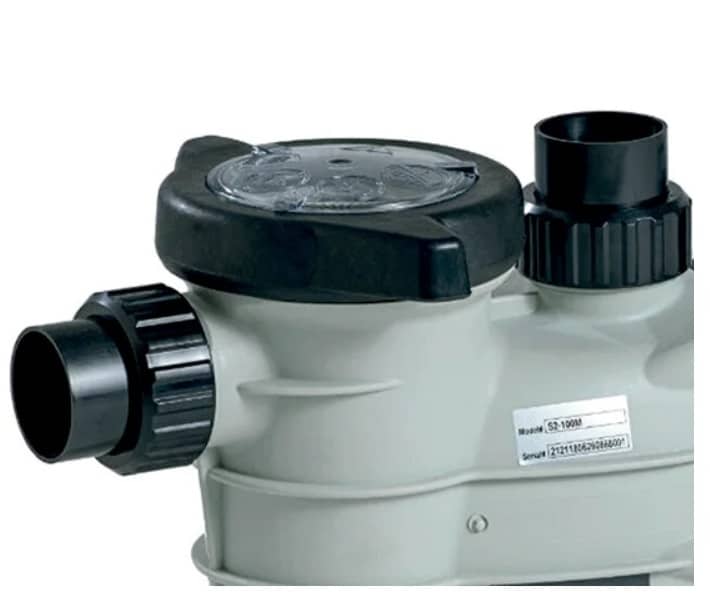
If a pump has recurring problems with suction, unpriming or noises, it is advisable to first check the pool pump installation diagram before considering an internal failure.
In old pumps, poorly dimensioned or forced for years by a deficient installation, it is usually more profitable to replace the equipment with a new one correctly installed.
The ESPA range of pumps are designed for ease of installation, priming and maintenance and are well suited to standard filtration schemes. But there are many more Swimming Pool filtration pump models to evaluate.
Pool → Pump → Filter → Filter → Returns. The pump always goes before the filter.
Ideally below the water level. If it is above, the installation must be perfectly watertight.
As close as possible to reduce pressure losses and improve performance.
Yes, but it increases the risk of de-priming and requires leak-free suction.
It is usually due to poor location, long piping, air in suction or an incorrect pool pump installation scheme.


PoolComet choice
 Select options
This product has multiple variants. The options may be chosen on the product page
Select options
This product has multiple variants. The options may be chosen on the product page

Discover the importance of hydration in your sauna or steam bath session. Visit the PoolComet Blog.
Pool grout. Learn how to grout your Glass mosaic tiles pool yourself, effortlessly and with the best materials. PoolComet Blog.

Discover the different ways to dive into the pool. From the classic jumps to more complex techniques with responsibility and safety.
Seleccionar categoria