If the pool pump does not suck in water or fails to prime, the filtration system may not work properly.
This is one of the most common maintenance problems and, although in many cases it is due to a minor fault (air, dirty prefilter, low level), it can also indicate major pump wear or a problem in the suction line.
As pool pump professionals, we explain the most common causes, how to diagnose the origin of the failure and when to replace the pump with a modern and efficient model.
This is the most common cause. If air enters at any point, the pump rotates, but cannot generate the necessary vacuum to draw in water.
You will know that the pool pump is not sucking because of air in the piping if there are bubbles in the prefilter cover, you hear noise (here we explain what happens if the pool pump makes noise, but does not work) hollow inside the pump or the pump is unprimed after a few minutes.
The professional solution to this problem is to check the o-rings, lubricate them with neutral petroleum jelly, close the lid properly and make sure the water level is halfway up the skimmer.
To find out how to do this, you can use our how to remove air from pool pump how-to guide.

In case the pool pump is above the water level, it is highly recommended to add non-return valves, both at the inlet and outlet of the pump. This way, when the pool pump stops, the pump is not completely drained, making it easier to prime the next filtration cycle and preventing the pump from running empty.
If the prefilter is full, the pump cannot generate suction. Leaves, insects, lint, small stones, hair and organic debris are typical causes of clogging.
If the pool pump is not suctioning due to clogging, you simply turn it off, clean the prefilter and replace the basket if it is damaged.
Many times the problem is not on the outside, but inside the pump. The turbine can be filled with grass strands, fine sand, lime residue, hair or plant fibers.
As a result, the pump works, but does not draw in enough water. This can be solved with an internal turbine cleaning. However, if you are inexperienced, it is best to have a technician do it.
Although it may seem counterintuitive, a dirty filter can prevent the pump from suctioning properly because it increases the resistance of the circuit.
If the pressure gauge is in the red zone, you know for sure that there is overpressure. As a consequence, the pump works forced and can lose its prime.
The solution is to wash/rinse the sand filters or clean/replace cartridge.

The valve is a common cause if the pool pump is not sucking. It is, in fact, a very frequent mistake after cleaning or seasonal changes.
Valves may be partially closed or misconfigured after emptying. In this case, the solution is to verify that the skimmer, bottom and Automatic Cleaner are open as appropriate.
When the motor runs, but does not suck, there may be:
Our professional recommendation if your pump is more than 8 years old is to replace it with safe and efficient pool pump models.
| Symptom | Probable cause | Solution |
| Bubbles in prefilter | Air inlet | Check o-rings, level and vacuum |
| Prefilter never fills up | Low level or leakage | Raise water and check pipes. In case of a pump above the water level, install non-return valves at the pump inlet and outlet. |
| Pump is unprimed | Defective cap or o-ring | Lubricate or replace |
| Very low flow rate | Dirty turbine | Internal cleaning |
| Does not aspirate anything | Valve closed or motor failure | Check keys / technician |
| Starts and stops | Overheating | Ventilation or replacement |
You can repair it if:
You have to change it if:
In case of replacement, we recommend modern ESPA models, with high energy efficiency and excellent performance:

For more information, visit our guide on which pool pump you need.
The most common is air inlet or clogged prefilter. Check o-rings, lid, water level and basket.
It means that it is not priming. The most frequent causes are: low level, poorly closed lid, dry gasket or leakage in the suction line.
May be due to: closed skimmer valve, full basket, air in the piping or dirty turbine. If the bottom does suck and the Skimmer does not, it is almost always the valve or a clog.
Air is coming in. Lubricate the o-ring, clean the cap seat and check fittings on the suction.
Indicates a leakage problem. Check the lid o-ring, bottom plug thread, suction lines and water level.
Yes. Over the years the motor loses power, the bearings wear out and the turbine may deform or corrode. This directly affects the flow rate.

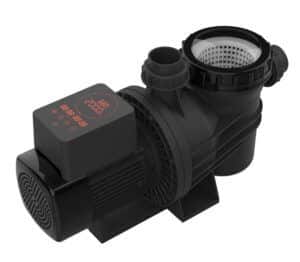
PoolComet choice
 Select options
This product has multiple variants. The options may be chosen on the product page
Select options
This product has multiple variants. The options may be chosen on the product page

From infinity pools with panoramic views to oases in exotic landscapes, this post will take you to destinations that will inspire your adventurous spirit.

Discover how to properly connect your pool heat pump, both hydraulically and electrically. Our PoolComet expert guidance ensures an efficient and safe installation, key to the optimal performance and longevity of your HVAC equipment. Learn the essential steps.

Discover how the spa ozonator can improve the quality of your water and your relaxation experience.
Seleccionar categoria