Pool pump consumption is one of the most important factors influencing the annual maintenance cost. Although many people believe that filtration is an expensive process, the reality is that a well-chosen and efficient pump can consume much less than you imagine.
In this article, we explain in a professional way how many watts and kWh a pool pump consumes according to its power (0.75 HP, 1 HP, 1.5 HP, 3 HP and 4 HP), how much it costs to run it monthly and which models are more energy efficient.
We also help you identify if your pump is consuming more than necessary and when to replace it with a more modern one.
Although each manufacturer may vary slightly in consumption, these are the most common actual figures we use in professional maintenance:
| Power (HP) | Consumption approx. (W) | Consumption in kWh/h | Recommended pools |
| 0.75 HP | 550 – 750 W | 0.55 – 0.75 kWh | Pools 25 – 40 m³ |
| 1 HP | 850 – 1.000 W | 0.85 – 1.00 kWh | Pools 40 – 60 m³ |
| 1.5 HP | 1.200 – 1.500 W | 1.2 – 1.5 kWh | Pools 60 – 90 m³ |
| 3 HP | 2.200 – 2.700 W | 2.2 – 2.7 kWh | Large or Condominium Pools |
| 4 HP | 3.000 – 3.700 W | 3.0 – 3.7 kWh | Intensive use pools |
These figures apply to both universal pumps and premium brand pumps such as ESPA pumps (Silen, Nox, Silen S2), which stand out for their energy efficiency.
To know the real consumption, multiply the kWh by the daily filtration hours (usually 6 – 8 hours in season).
Real example for a 1 HP pump:
If the price per kWh is 0.20 €:
With more efficient pumps, this cost can be reduced by 20-35%, and even 80% if we go for Variable speed pool pump models with permanent magnets.

Consumption does not depend only on power. There are other factors that increase spending, such as:
Yes, very much so. Older pumps (more than 10 years old) usually consume 20-50% more than current models for several reasons:
Therefore, replacing an older model with a modern pool pump often reduces the electric bill even if the power is higher.
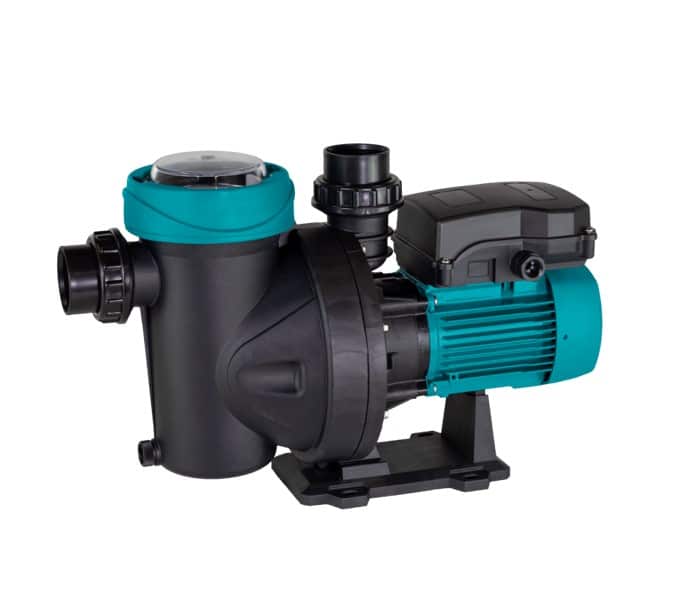
We recommend changing it when:
We insist that a modern pump can reduce the annual cost of electricity between 50 and 150 €, depending on the power and hours of operation.
Between 550 and 750 W, equivalent to 0.55 – 0.75 kWh/h.
Between 850 and 1,000 W. For an 8-hour filtration, the daily consumption is around 7 – 8 kWh.
Between 1,200 and 1,500 W.
The 3 HP between 2,200 and 2,700 HP; the 4 HP, between 3,000 and 3,700 HP.
Multiplying kWh/h × hours per day × days of use.
Yes. In summer, more hours of filtration are needed and the water temperature increases the organic load.
Only if you keep the water stable. In summer it is not recommended to go below 8 hours/day, especially with salt chlorination.


PoolComet choice
 Select options
This product has multiple variants. The options may be chosen on the product page
Select options
This product has multiple variants. The options may be chosen on the product page

Winter Covers for Swimming Pools. Discover their benefits and the importance of protecting our pool in the cold months and save energy.

Discover the deepest pool in the world. With 60 meters deep and a breathtaking underwater environment that emulates a ruined city, it is a paradise for diving enthusiasts and a once in a lifetime experience.
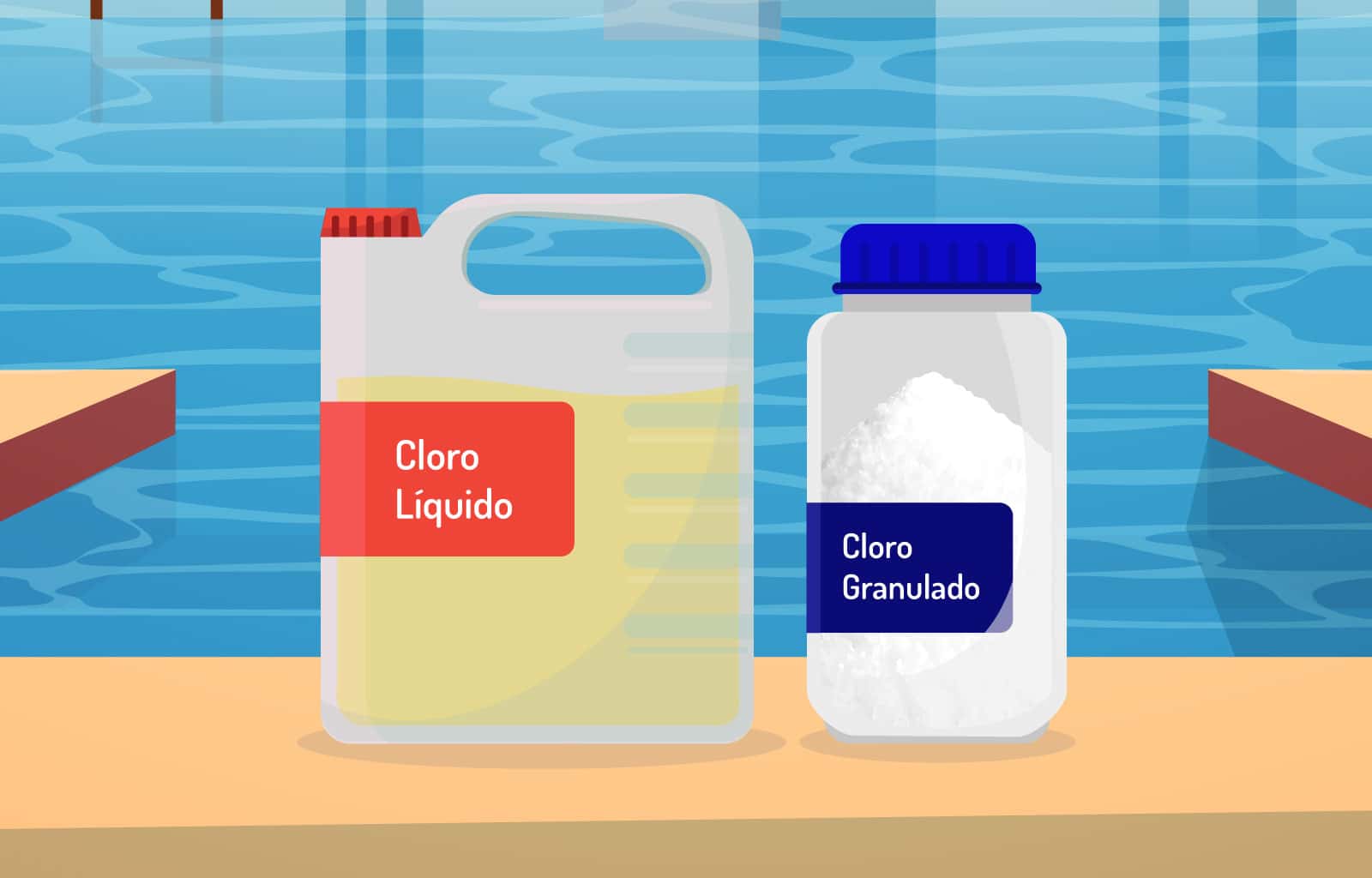
Discover the advantages and disadvantages of liquid and granulated chlorine, and find the best option for your pool.
Seleccionar categoria