The pool is not only a place to swim and enjoy the sun in the summer, it can also be an excellent place for physical rehabilitation. Hydrotherapy, or aquatic therapy, is a form of rehabilitation that uses the therapeutic effects of water to improve health and physical recovery. In this article, we will explore the benefits of hydrotherapy and the different exercises that can be performed in the pool for physical rehabilitation.
Hydrotherapy is a low-impact form of exercise that can be beneficial for those seeking physical rehabilitation. Water exercises are gentle on joints and muscles, which reduces pain and the risk of injury. In addition, the resistance of the water provides a safe training environment for muscles and improves stability.
Four good examples of low-impact exercise in water are:
| Aquafitness and water cycling are two popular forms of water exercise. AquaFitness combines traditional fitness exercises with the hydrodynamic effect of water. The movements are gentle and can be performed at different depths, allowing for a tailor-made workout for each individual.
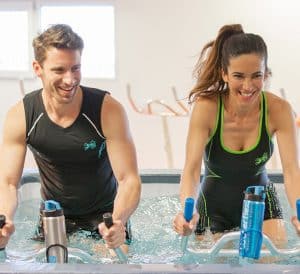
On the other hand, the aquatic cycling is a form of cardiovascular training that uses a stationary bike in the pool. Water cycling is a low-impact exercise that can be beneficial for those with leg injuries, as well as for people with arthritis or joint pain, or for those who want to train physically in a low-impact joint environment. |
 |
Aquapilates combines the principles of Pilates with the therapeutic effect of water. The exercises are gentle and focus on core strength and stability. Some of the most common would be:
On the other hand, ai-chi active relaxation is a gentle, relaxing exercise that focuses on breathing and meditation. The combination of gentle exercise and the tranquility of water can help reduce stress and anxiety. Some of the exercises we recommend are:
Water resistance (hydrostatic exercises) can be used to improve muscular strength and endurance. Hydrodynamic exercises and hydrostatic exercises are two forms of water exercises that can be beneficial for those seeking physical rehabilitation. Hydrodynamic exercises are those that involve performing specific movements in the water, while hydrostatic exercises are performed in the same position for a period of time. Both types of exercises can be beneficial for improving muscle strength and endurance, especially in people who have been inactive for a period of time due to injury or illness.
In addition, hydrotherapy and aquatic exercises can also be helpful in rehabilitation after surgery, such as hip or knee arthroplasty. The resistance of the water provides a low-impact environment and helps reduce pain and swelling after surgery.
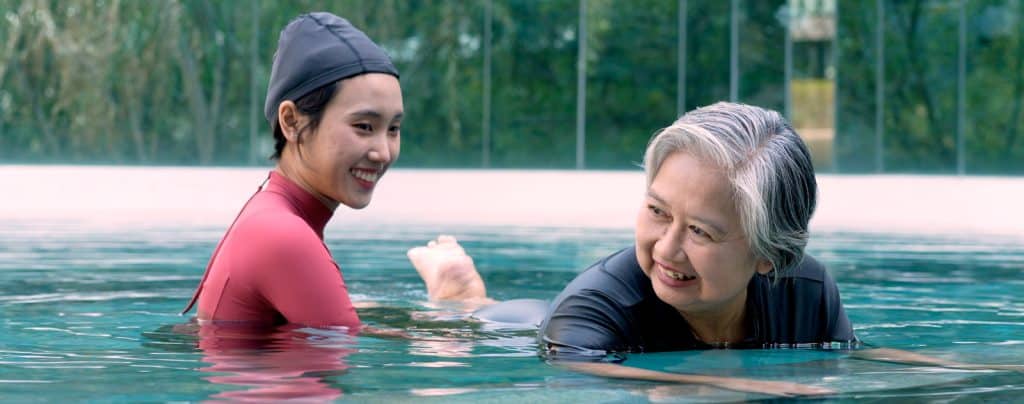
On the other hand, hydrotherapy and aquatic exercises can also be beneficial for seniors and those with mobility issues. Low-impact water exercises can help improve flexibility, strength and balance, which in turn reduces the risk of falls and injuries.
In summaryIn summary, pool physical rehabilitation can be an effective option for those looking for a way to recover from injury or illness, improve strength and flexibility, or simply enjoy the benefits of the water in a safe and controlled environment.
Hydrotherapy, aquatic exercises and relaxation techniques are an excellent option for physical rehabilitation in swimming pools. However, it is essential to have the guidance and supervision of specialized personnel to maximize their effectiveness and safety, such as the professional team at FisioCITwhich has been working for decades with professional and amateur athletes to improve and recover physical fitness.
In this other article we show you the 10 health benefits of swimming and how to swim at home. If you have any questions do not hesitate to contact uswe will be happy to help you.


PoolComet choice
 Select options
This product has multiple variants. The options may be chosen on the product page
Select options
This product has multiple variants. The options may be chosen on the product page
Discover the key factors for choosing the perfect home spa: from size and capacity to features and budget - relax at home!
Infrared sauna: discover the benefits for your mental and physical well-being.
Do you have a reinforced pvc liner pool? Follow our practical tips to keep your pool liner in excellent condition.
Seleccionar categoria