Hydrotherapy is a therapeutic technique that uses water in its different forms (cold, hot, steam, etc.) to improve health and treat various diseases. Although it may seem a modern practice, the truth is that it dates back to antiquity.
One of the earliest mentions of the use of water for healing dates back to Hippocrates, the father of medicine, in the 5th century BC. Hippocrates not only used water to reduce fever and treat disease, but also recommended bathing at different temperatures depending on the patient’s need. For example, cold water for muscular pains and sea water for skin rashes. The first written references to hydrotherapy, such as the treatises “Liquidum uso” or “Tract. de aere, aquis et locis”, date from this period.
Pythagoras himself, the famous Greek mathematician and philosopher of the 6th century B.C., headed an order that recommended the use of cold water and a naturist diet as part of his philosophy of life.
King Fraortes of Media, in the Persian area of 600 BC built the oldest spa on record. A granite water bath, heated with hot stones that were immersed in an area adjacent to the main bath to raise the temperature.
The Phoenician culture had in water one of the central elements in their rituals since, at that time, almost the only way to see oneself reflected was through water. This endowed water with a very powerful symbolic value since they believed that it could store the spirit of people and serve as communication with other spirits that had looked at the same stream of water.
The Phoenicians built their temples next to springs, rivers and ponds with great thermal and mineral properties. The rites related to water and the worship of their gods that took place in these sacred areas for them favored the health of the patients who went there. There are records of Phoenician temples related to water around the Mediterranean.
Subsequently, the Romans made a habitual use of the baths almost as a social element and were taking this custom to all the confines of the Empire.
One of the best known spots is the city of Bath, in England, famous for its thermal baths with waters of enormous purity and richness in minerals, whose baths 2,000 years ago were built and used by the Romans to treat illnesses and improve health.
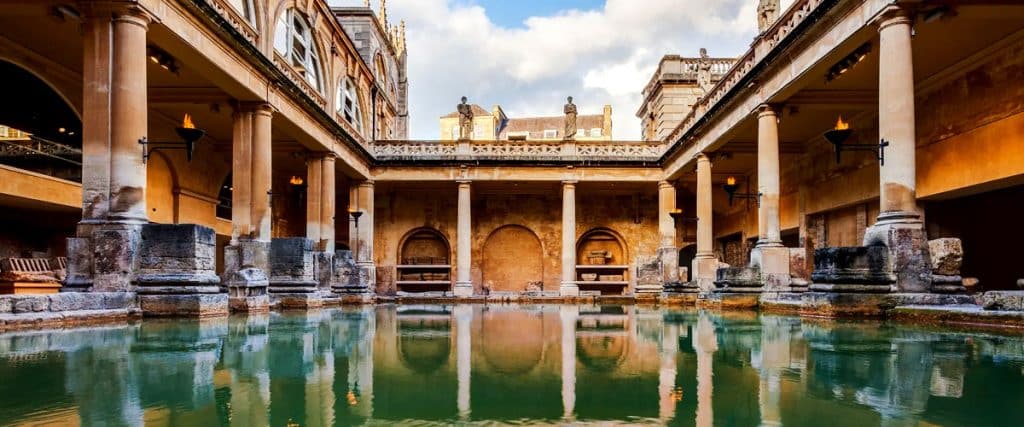
Bath Baths. United Kingdom
It was later when Pliny the Elder, a Roman writer, naturalist and military man of the 1st century A.D., detailed the healing properties of ferruginous springs in his work “Natural History”. Iron-rich mineral water was used to treat anemia and other diseases related to iron deficiency.
In ancient China, around 200 AD, the ritual of hot bathing in bronze bathtubs became popular. It is believed that the bacteriostatic and fungicidal properties of bronze allowed the elimination of pathogens from the skin of bathers, improving their health along with the beneficial effects of hot water on the body.
There is evidence of the use of geothermal spring water in China for more than 3,000 years.
Specifically, the springs of Huaquing have served as the site for several palaces built during the reigns of various dynasties such as the Zhou or the Quin. The emperors had, as a regular routine, bathing in the hot springs of Huaquing as it improved their physical appearance and health.
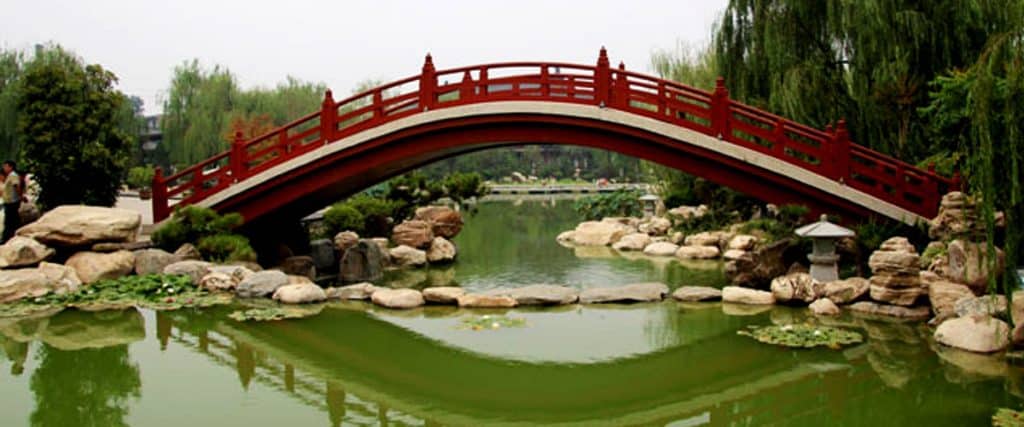
In the case of ancient Japan, the use of water was one of the most deeply rooted traditions. It was used as part of Buddhist purification rituals, where the use of water went beyond just hygiene.
In the Middle Ages, hydrotherapy continued to be used in Europe. Monks and religious orders built thermal baths for public use and to treat illnesses.
During the Renaissance, hydrotherapy gained popularity among the European aristocracy, and spa towns became popular tourist destinations.
Also in the Middle Ages there was a resurgence in the use of thermal waters for the treatment of illnesses and ailments, especially among the nobility. In fact, some monarchs even built their own thermal baths.
Already in the modern age, in the early 18th century, the German physician Johann Siegmund Hahn became one of the main drivers of modern hydrotherapy. He developed a series of water-based treatments, such as baths, compresses and rubs, to treat various diseases and ailments. He published in 1738 a guide for the treatment of a wide variety of ailments through hydrotherapy and balneotherapy.
In the 19th century, the use of hydrotherapy was further popularized by the work of French physician Vincent Priessnitz, who developed a more systematized approach to the use of water as a therapeutic treatment. Priessnitz founded a sanatorium in the town of Gräfenberg, Austria, where he applied his hydrotherapy methods with great success. These methods included the use of hot and cold compresses, steam baths and showers.
Another driving force in the 19th century was the German Catholic priest Sebastian Kneipp, who around 1850 developed water-related medical practices. Kneipp began experimenting with hydrotherapy after recovering from a serious illness through immersion in cold water and walking barefoot in the snow. He then studied medicine and became interested in the healing effects of water on the body. He developed his own approach to hydrotherapy, which included hot and cold water baths, water massages and cold compresses.
Kneipp hydrotherapy is based on five key principles: water, exercise, medicinal plants, diet and mental balance. Treatments are performed in a calm and relaxing environment, and specific instructions are based on the individual needs of each patient.
Among the most popular Kneipp hydrotherapy treatments are foot baths in cold water, which are believed to stimulate circulation and strengthen the immune system. Hot and cold compresses are also used to relieve aches and pains and reduce inflammation, and water massages are used to relieve stress and muscle tension.
Today, hydrotherapy is widely used in rehabilitation centers, spas and medical clinics. It is used to treat a wide range of conditions, from muscle and joint pain to respiratory diseases and sleep disorders. Hydrotherapy is also used as a complementary therapy to treat chronic diseases such as arthritis and fibromyalgia.

It is also a very popular medical method to accompany other sports rehabilitation practices.
Currently there are a multitude of Balneotherapy options that we can incorporate in our homes: domestic spas, saunas, Turkish baths, infrared saunashot and cold water pools, among others.
In addition, hydrotherapy has also been used in the treatment of various diseases and ailments, including arthritis, respiratory diseases, sports injuries and circulation problems. It is known that warm water helps relax muscles and relieve tension, while cold water helps reduce inflammation and pain.
Hydrotherapy is a safe and effective therapy when performed under the supervision of a trained professional. People suffering from chronic diseases or taking medication should consult their doctor before starting any hydrotherapy treatment. In addition, it is important to follow the precautions and instructions for therapeutic use.
Hydrotherapy is a practice that has existed since ancient times in various cultures as a social, religious and health element.
It has evolved over the centuries, becoming a popular complementary therapy today that we can apply in our daily lives if we have elements of wellness in our home.
If you have any questions, do not hesitate to contact us via whatsapp.


PoolComet choice

 Select options
This product has multiple variants. The options may be chosen on the product page
Select options
This product has multiple variants. The options may be chosen on the product page
Learn about the importance of the stones in the traditional sauna: how they work and when to change them to ensure efficiency and safety.

Refresh your summer with these delicious recipes to enjoy by the pool. Appetizers, salads, main dishes and desserts to share with family and friends.
Do you have a reinforced pvc liner pool? Follow our practical tips to keep your pool liner in excellent condition.
Seleccionar categoria